

Humane Education
Humane education is more than a lesson—it’s a movement toward a kinder, more compassionate world. By teaching empathy, respect, and responsibility, we’re planting the seeds for a kinder, more compassionate future. When students learn to value animals, people, and the planet, they become the changemakers who build safer, more understanding communities.
what is humane education?
Humane education is a new york state requirement
Humane education isn’t just a nice-to-have — it’s part of New York State law. For more than a century, New York has required that schools teach the humane treatment and protection of animals to young students. Humane Long Island brings that legal requirement to life with engaging, standards-aligned programs that teach empathy, responsibility, and respect for all living beings.
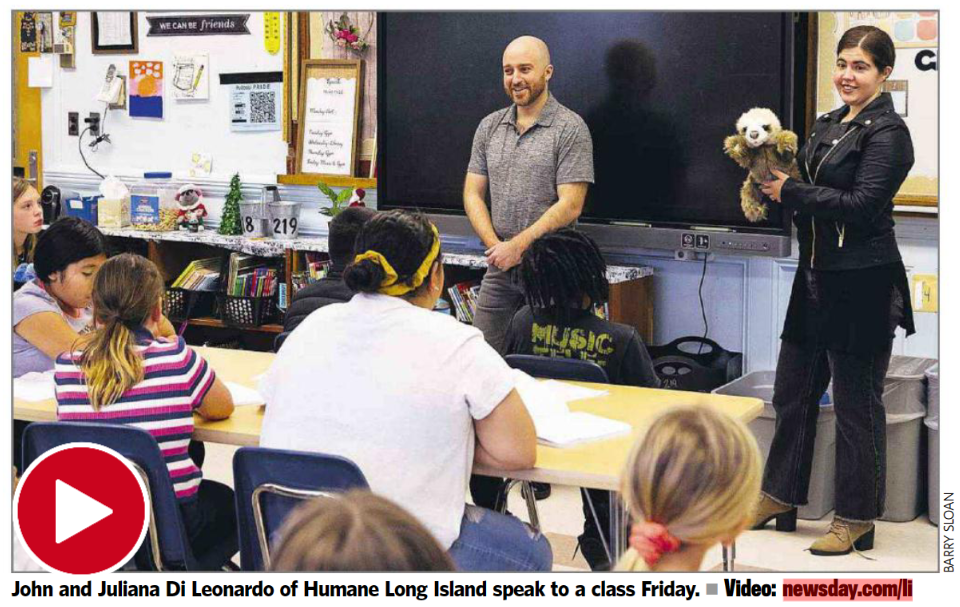
In-school presentations
Humane Long Island brings compassion directly to your classroom! We offer free in-school humane education presentations for students of all ages—from preschoolers and scouts to college and university students.
Our programs are designed to meet students where they are, teaching age-appropriate lessons in empathy, respect, and responsible care for animals, people, and the environment. By engaging young minds with interactive activities and real-world examples, we help students understand how their choices impact the world around them and inspire them to take action with kindness.
No matter the age, every student can learn to lead with compassion.
Visit our riverhead animal sanctuary
The best way for students to learn compassion is by seeing it in action. That’s why we invite schools to visit our Riverhead animal sanctuary, where rescued animals live safely and peacefully in a natural, nurturing environment.
Rather than bringing animals into classrooms—an experience that can be stressful or frightening for them—our field trips allow students to meet animals on their own terms, in a space designed for their comfort and care. This approach not only protects the animals’ well-being, but also models the very lessons humane education aims to teach: empathy, respect, and kindness for all living beings.
During each visit, students discover the unique stories of our rescued residents, explore what animals need to thrive, and learn how everyday choices can make the world a more compassionate place.
Virtual Visits
Can’t make it to the sanctuary? Humane Long Island brings the sanctuary to you! Our virtual school visits let students meet our rescued animals online, no matter where they are. Through live, interactive sessions, students get to see our animals in their safe, natural environment while learning about compassion, kindness, and responsible care.
Virtual visits are a wonderful way for schools that can’t travel to still experience humane education up close—without the stress of transporting animals or leaving the classroom.
Every student deserves the chance to connect with animals and learn empathy in action—and our virtual visits make that possible anywhere.
Free resources & 1-on-1 Coaching to educators
Humane education isn’t a single lesson—it’s a mindset. True compassion can’t be taught in one day; it grows when empathy, respect, and kindness are woven into learning all year long, so we’re here to help teachers bring compassion into the classroom every day, offering free resources and one-on-one coaching to educators interested in integrating humane education into their curriculum.
From ready-to-use lesson plans and activity guides to personalized support and professional development, our team helps teachers weave empathy, respect, and responsibility for all living beings into everyday learning. Whether you’re new to humane education or looking to strengthen existing lessons, we’ll guide you every step of the way.
Together, we can empower students to think critically, act compassionately, and make kindness part of every subject.
Humane Education is for all ages
Compassion has no age limit. It is a lifelong journey—one that begins in early childhood and continues through adulthood. That’s why our programs extend beyond K–12 classrooms to reach colleges, universities, and technical schools like BOCES. We’ve lectured at NYU, Columbia Law School, Touro Law School, LIU Post’s Lewyt College of Veterinary Medicine, Hofstra University, Canisius University, Barry Tech, Jefferson University, and even the Suffolk County Police Academy!
Our engaging presentations help students explore how empathy, ethics, and responsible decision-making connect to their studies, careers, and communities. Whether discussing animal welfare in a veterinary science program, environmental ethics in a college classroom, or kindness in leadership and community service, we tailor each visit to inspire thoughtful, compassionate action in every field.
By bringing humane education to learners of all ages, Humane Long Island empowers the next generation of professionals, educators, and citizens to create a more just and compassionate world.
What is not humane education
Hatching projects
New York State mandates that every elementary school provide instruction in the “humane treatment and protection of animals” and “the necessity of controlling the proliferation of animals which are subsequently abandoned and caused to suffer extreme cruelty.”
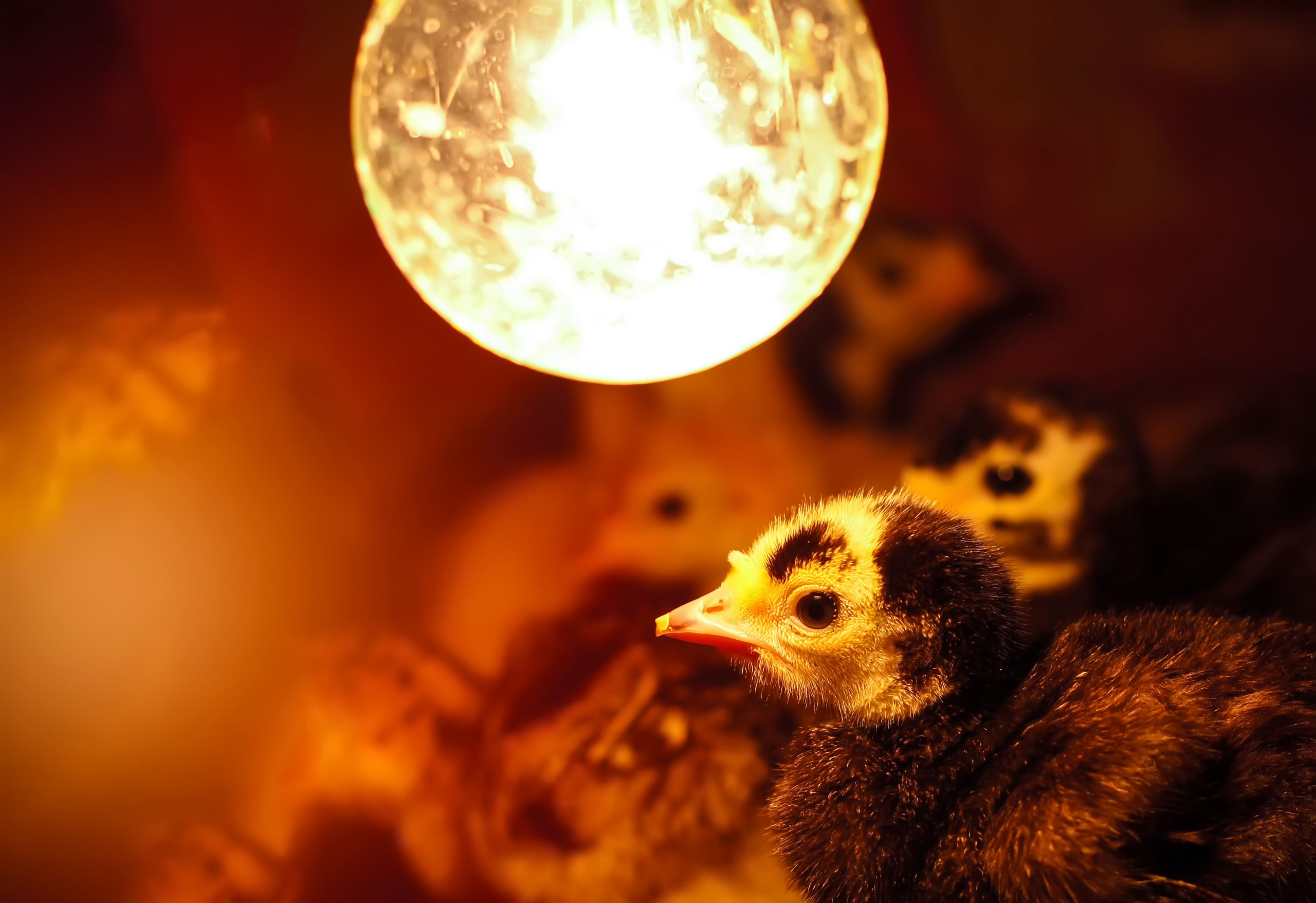
Hatching projects directly violate Section 809 by denying chicks and ducklings everything that is natural to them by forcing them to grow up in an incubator and putting their health and lives at risk at every step. These experiments also directly result in large numbers of abandoned animals and provide a dangerous example to children about taking advantage of more vulnerable beings when we should instead be providing anti-bullying messages.
The New York Department of Environmental Conservation (DEC)’s day-old pheasant chick hatching program is particularly cruel, normalizing killing under the guise of conservation by using schools to raise non-native birds for canned trophy hunting. The link between animal abuse and violence toward humans is well-documented—New York should not be using “conservation” funds for this purpose.
Dissection
True humane education teaches respect, empathy, and compassion for all living beings. Dissection of animals in the classroom does not align with these principles, as it not only harms animals, but desensitizes students to the sanctity of life and fosters callousness toward animals. Research has shown that a significant number of students at every educational level are uncomfortable with the use of animals in dissection and experimentation while other studies suggest that exposing young people to animal dissection as “science” can even dissuade some from pursuing careers in science.
In New York State, students have the right to opt out of dissection for ethical, moral, or religious reasons. Alternatives such as virtual dissections, 3D models, and interactive simulations allow students to learn anatomy and science without harming animals, while still gaining the same educational understanding.
Humane Long Island supports educators and students in finding compassionate ways to explore science—teaching knowledge alongside empathy.
classroom “pets”
Teaching kindness begins with showing respect for every living being’s needs. While classroom pets are often introduced with good intentions, they can unintentionally teach the wrong lessons about humane treatment.
Classrooms are busy, noisy environments that can be stressful and unnatural for animals. When animals are confined for display or handled frequently, it can compromise their well-being—and send the message that animals exist for our entertainment, rather than as individuals deserving care and respect.
True humane education helps students understand animals as sentient beings with their own needs, feelings, and right to live safely and comfortably. Instead of keeping animals in classrooms, Humane Long Island offers humane education programs and sanctuary field trips where students can learn about compassion in ways that protect animals and honor their welfare.
Zoo visits
Humane education teaches empathy, respect, and care for animals as sentient beings—not as exhibits. While zoo visits can appear exciting, they often present animals in unnatural enclosures, limiting their freedom and failing to show their natural behaviors.
Observing animals in captivity can unintentionally convey the message that it’s acceptable to confine animals for human entertainment and studies show that seeing endangered animals in unnatural settings undermines legitimate conservation efforts by misleading people into thinking that wild populations are not imperiled, making them less likely to donate to conservation. Humane education, by contrast, focuses on understanding animals’ needs, respecting their well-being, and learning how to make compassionate choices.
Instead of zoo visits, Humane Long Island offers sanctuary field trips, virtual animal visits, and classroom programs that provide authentic, stress-free experiences where students can truly connect with animals and learn kindness in action.
What Humane Long Island is doing to help
Teaching humane education to children & Educators
Thank you for exploring how our humane-education initiatives at Humane Long Island empower learners of all ages to become compassionate thinkers and changemakers. If you’re ready to bring the conversation of empathy, responsibility, and respectful living into your classroom, school or community group—let’s make it happen together.
Reach out today to schedule an in-school presentation, virtual visit, sanctuary field trip or one-on-one coaching session for educators. We’re excited to collaborate with you to build a kinder future—starting right here on Long Island and beyond.
Transitioning Schools away from Hatching projects
Humane Long Island’s outreach has resulted regularly results in Long Island and New York City schools ending hatching projects. For example, in 2023, we worked with Hopscotch Montessori Schools on the Upper East and the Upper West sides of NYC and St. John the Baptist Diocesan High School in Islip to ban hatching projects at their campuses. In return, Humane Long Island rehabilitated and placed two dozen baby birds at vegan animal sanctuaries in Vermont and New Jersey.

Installing billboards near schools in high traffic areas
Humane Long Island has installed more than a dozen billboards across Nassau and Suffolk counties urging passersby to leave animals off their plates and out of their classrooms for an estimated thirteen million impressions.